How do the chemical composition and hardness characteristics of TA & Mo alloys affect the heat resistance of Non-Ferrous Alloys (TA & Mo)?
1. High Melting Point and High-Temperature Strength
Both TA and Mo are high-melting-point transition metals. Mo's melting point is approximately 2898K, while TA's is even higher at 3290K. The theoretical melting point of their alloys can reach 2783–3008K, ensuring they maintain a solid structure even under extreme high-temperature environments.
2. Hardness and Creep Resistance
The Mo content in the alloy (approximately 15–17%) significantly increases hardness (HRC≈55–56) while providing good creep resistance, making heat-treated fixtures less prone to deformation during prolonged high-temperature operation.
3. Matching Thermal Conductivity and Thermal Expansion
TA-Mo alloys have high thermal conductivity, and their coefficient of thermal expansion is similar to that of commonly used refractory materials (such as W and C), reducing thermal stress concentration and improving overall heat resistance life. 4. Dense Structure and Oxidation Resistance
At high temperatures, TA-Mo alloys form dense intermetallic compounds, inhibiting the formation rate of oxide films and further enhancing heat resistance.
What are the advantages of the lost-wax precision casting and centrifugal casting technologies used by Wuxi Junteng Fanghu Alloy Technology Co., Ltd.?
1. Extremely High Dimensional Accuracy and Surface Finish
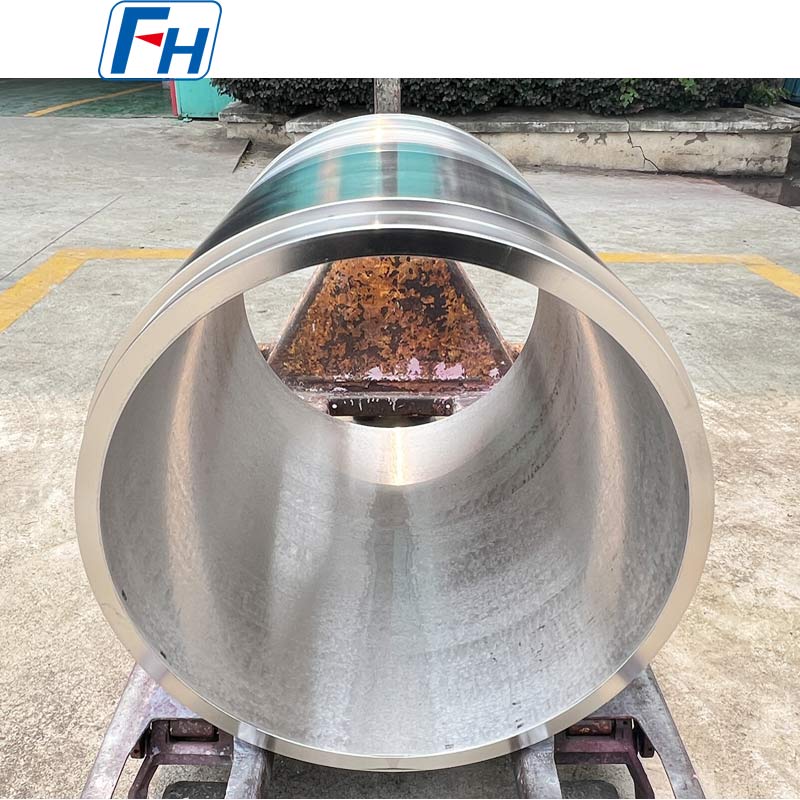
Lost-wax precision casting can achieve dimensional control of ±0.1mm, resulting in smooth casting surfaces with almost no secondary machining.
2. One-Step Forming of Complex Geometries and Internal Cavities
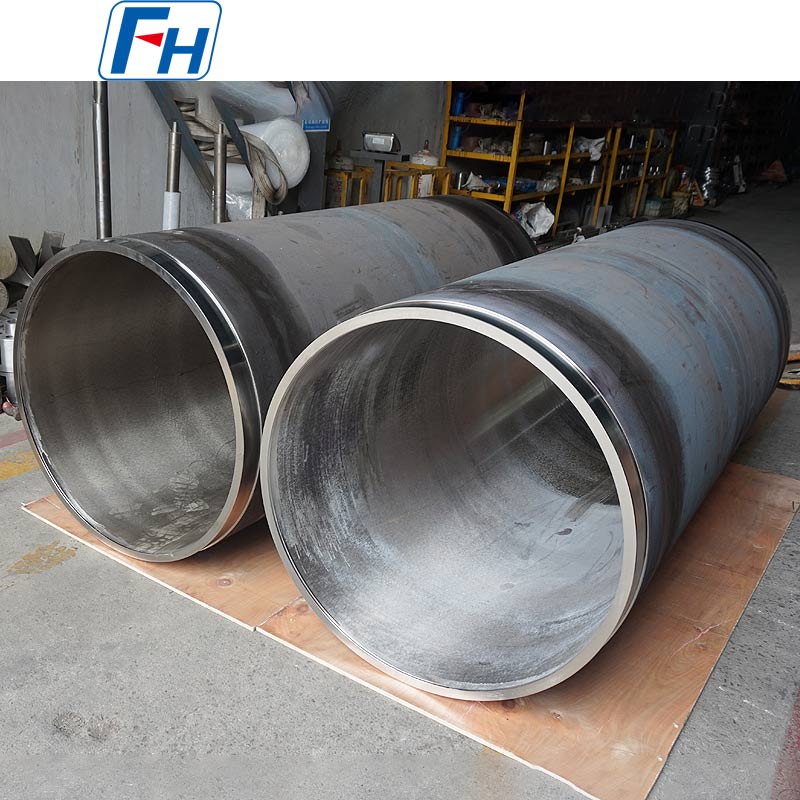
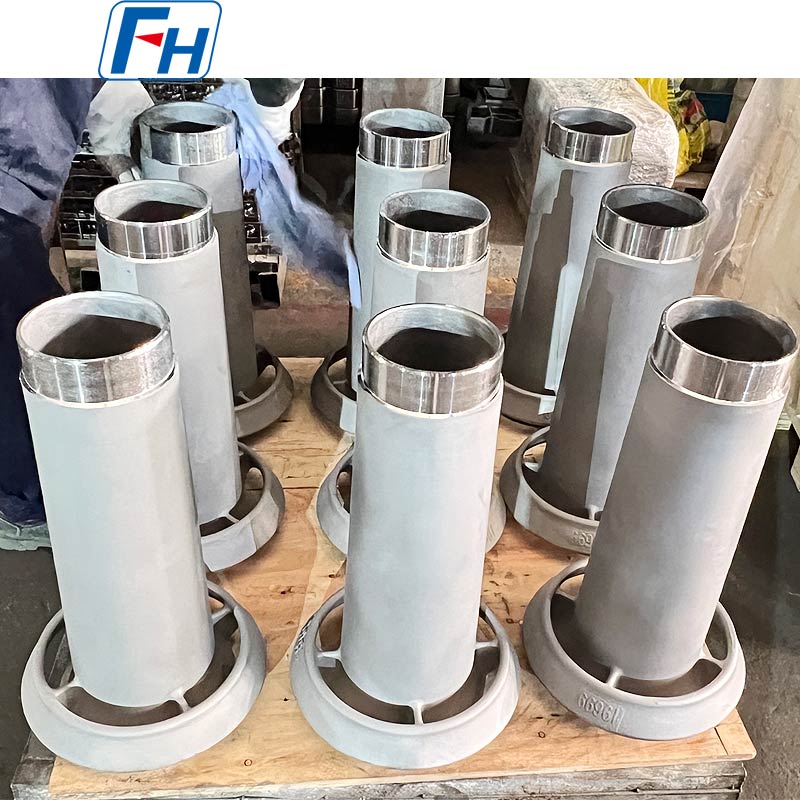
Internal channels are created in one step using wax molds, eliminating the need for subsequent drilling or cores, making it suitable for complex structural components such as radiant tubes and furnace rollers.
3. High Material Utilization and Low Waste
Wax molds can be used for multiple production runs, resulting in low material loss. Furthermore, the wax burns completely at high temperatures, producing almost no solid waste, meeting green manufacturing requirements.
4. Increased Production Efficiency
Compared to traditional turning and forging, lost-wax casting shortens the production cycle by 60-80%, significantly reducing unit costs, especially for small-batch customization.


 0086-13338774804



 โทร: 0510-83310100
  อีเมล: info@alloy-casting.com
  ที่อยู่: Room 1105,Building 6, Jiaye Wealth Center,Wuxi, Jiangsu, P.R.China P.C.:214000.